


The horse racing industry has long been an integral part of the cultural fabric of the United Kingdom. However, with recent disruptions leading to events being UK horse racing not on GamStop equifacs.co.uk, it’s crucial to examine the ramifications of this situation. From economic downturns to shifts in betting habits, the cessation of races creates a ripple effect impacting various facets of the sport.
The Economic Impact of Racing Events
UK horse racing is not merely a sport; it’s a significant economic driver. The industry supports thousands of jobs, ranging from trainers and stable hands to bookmakers and hospitality staff. When races are cancelled or postponed, the immediate financial impact is felt hard by these workers. For instance, racecourses, which rely on ticket sales and hospitality revenues, face significant losses. In a typical year, the racing calendar is packed with events that contribute millions of pounds to local economies. The absence of these events means less spending in surrounding areas, particularly in rural regions that depend on racing tourism.
Shifts in Betting Habits
With horse racing being a staple in wagering, the absence of races creates a vacuum for bettors. Traditionally, the bet placed on horse racing has been a default choice, but when the races are not on, punters might turn to alternative betting markets or even other forms of entertainment. Sports betting platforms may experience a surge in betting on sports outside of racing, such as football or virtual sports. This shift could have long-term implications for how betting markets develop and grow.

Impact on Horse Training and Welfare
The lack of races means less incentive for trainers to prepare their horses for competitive events. Training schedules might be disrupted, leading to a potential decline in the condition and welfare of the horses if they are not exercised and raced regularly. Horses thrive with a structured routine, and the absence of competitive racing can lead to boredom and behavioral issues. Moreover, owners may reconsider the financial viability of maintaining horses that were initially intended for racing, leading to potential increases in neglect or abandonment.
Venturing Beyond Traditional Racing
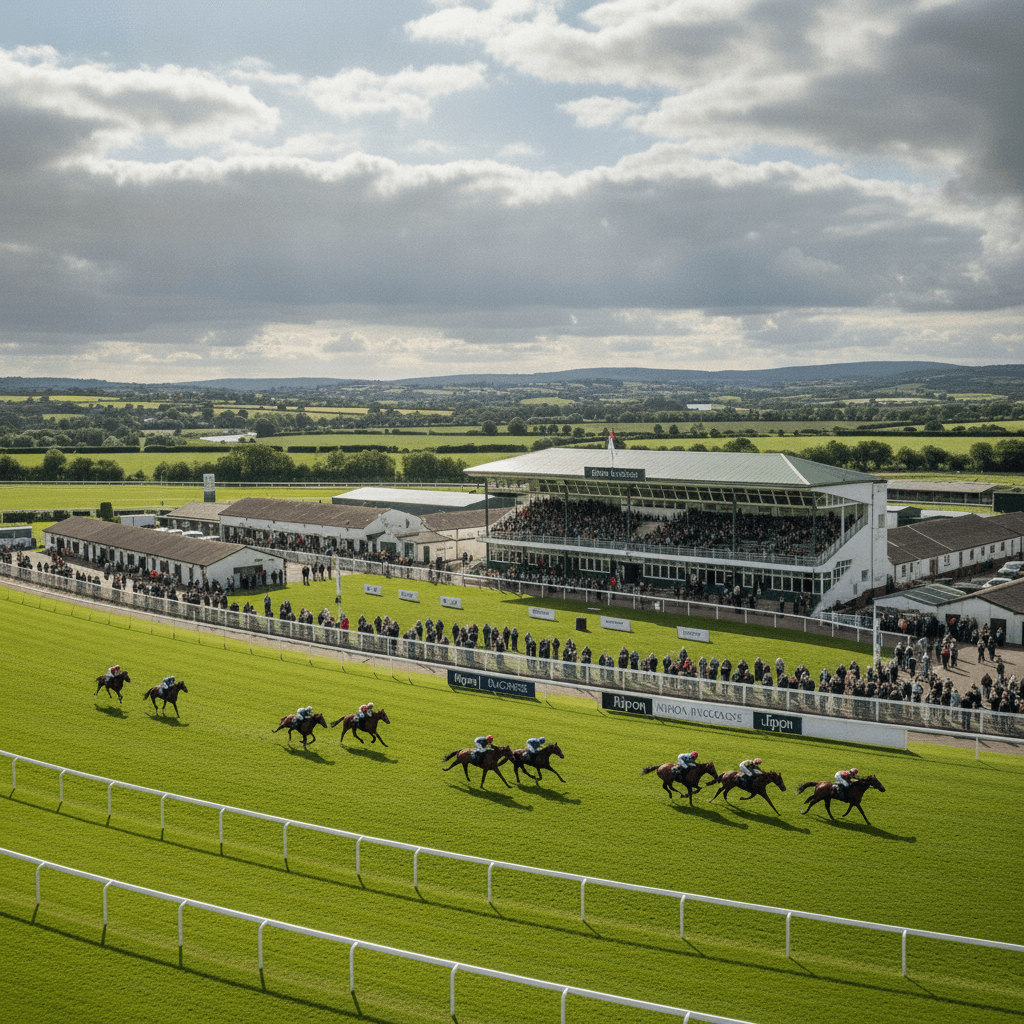
In response to the challenges posed by a halt in traditional racing, innovative training programs and alternative racing series may emerge. Trainers and racing clubs might opt to host exhibition races or participate in international eventing, which can help keep the horses in competitive shape while maintaining public interest in the sport. Additionally, the introduction of online platforms for virtual racing can sustain the audience’s engagement and provide a fresh avenue for betting.
The Role of Technology in Keeping the Momentum
Technology plays a pivotal role in transforming how the horse racing community adapts to challenging times. The implementation of virtual racing and simulation races allows fans to continue participating in the thrill of betting. Moreover, advancements in streaming technology mean that fans can engage with horse racing more interactively and in real-time, keeping the spirit of the sport alive even when physical races are not happening. These technological innovations may attract a younger audience, who are generally more tech-savvy and open to new forms of entertainment.
Alternative sports and events
With the cessation of horse racing, other sports and events may gain traction, providing recreational activities for the public. Sports such as greyhound racing or harness racing might see a revival as traditional horse racing is temporarily unavailable. These alternatives can provide similar excitement and betting opportunities for racing enthusiasts while also supporting a different segment of the racing industry.
Government Support and Industry Recovery
To navigate this turmoil, government support may be crucial for the recovery of the horse racing industry. Proposals for financial assistance, subsidies, or temporary tax reliefs could provide much-needed relief for struggling stakeholders within the industry. Furthermore, strategic planning for reopening the circuits with safety measures in place will be essential to restore public confidence and encourage attendance upon resumption.
The Future of UK Horse Racing
The future of UK horse racing, in light of “not on” events, will largely depend on the industry’s ability to adapt and innovate. Embracing new technologies, diversifying offerings, and understanding changing customer preferences will be paramount in sustaining the sport. Collaboration among all stakeholders — trainers, owners, sponsors, and fans — will be essential in crafting an industry that can withstand future challenges while continuing to honour the rich tradition and passion that horse racing embodies in the UK.
Conclusion
In summary, the UK horse racing scene is facing unprecedented challenges with racing events not on. However, this situation also presents a unique opportunity for the industry to evolve and adapt. By fostering innovation, embracing technology, and prioritizing the welfare of horses, the UK horse racing industry can emerge stronger and more resilient in the face of adversity. The path forward will require collective effort and a commitment to preserving the essence of horse racing while welcoming new trends and practices that align with the future.