

Understanding the psychology behind gambling behavior and its impact on decision-making
The Nature of Gambling Behavior
Gambling behavior is deeply rooted in human psychology, influenced by a combination of emotional, cognitive, and social factors. At its core, the thrill of gambling taps into the brain’s reward system, releasing dopamine and creating a sense of euphoria. This rush can lead individuals to chase losses or indulge in reckless betting, often prioritizing immediate gratification over long-term consequences. Many players discover platforms like speedau-casino.org, which offer a vast selection of games, further enhancing their experience.
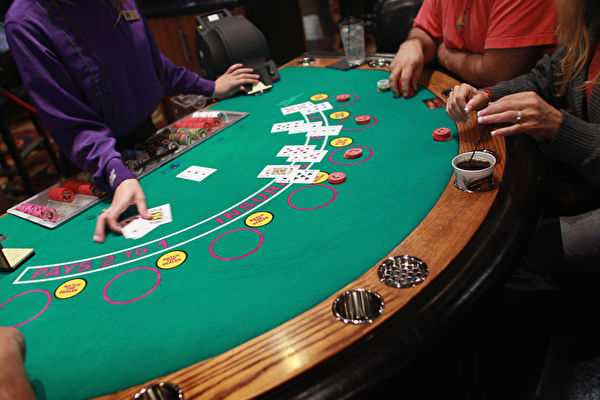
Moreover, cognitive biases play a significant role in gambling decisions. For example, the illusion of control leads players to believe they can influence outcomes, despite the inherent randomness of games. This misperception fuels continued engagement, as individuals persist in their efforts, often overlooking the statistical realities that govern gambling outcomes.
The Emotional Factors at Play
Emotions are pivotal in gambling behavior, significantly affecting decision-making processes. Many individuals engage in gambling as a means of coping with stress, anxiety, or depression. The temporary escape that gambling provides can create a cycle where players return to gaming not just for entertainment, but as a way to manage their emotional states.
This emotional connection can lead to a phenomenon known as “loss aversion,” where the fear of losing outweighs the joy of winning. Players may continue gambling in an attempt to recover lost money, often leading to compulsive behaviors. This emotional rollercoaster can escalate, making it increasingly challenging for individuals to make rational decisions regarding their gambling habits.
The Social Influences on Gambling
Social factors also significantly influence gambling behavior. Peer pressure and social acceptance can encourage individuals to participate in gambling activities, particularly in social settings like casinos or online gaming platforms. The communal aspect of gambling fosters a sense of belonging, making individuals more likely to gamble in groups.
Furthermore, the portrayal of gambling in media and popular culture contributes to societal attitudes that glorify winning and downplay the risks involved. This normalization can lead to increased participation among vulnerable populations, further complicating the decision-making landscape as individuals navigate their gambling habits in social contexts.
The Consequences of Gambling Decisions
The impact of gambling decisions extends beyond the individual, affecting families, communities, and economies. Problem gambling can lead to financial instability, strained relationships, and psychological distress, creating a ripple effect that influences those around the gambler. Understanding the psychology behind these behaviors is crucial for developing effective prevention and intervention strategies.
Additionally, the consequences of poor decision-making in gambling can lead to a cycle of addiction that is difficult to escape. As individuals chase the highs of their earlier wins, they may increasingly disregard the negative impacts of their choices, leading to a more profound psychological and financial crisis.

Discovering Responsible Gaming with Speedau Casino
At Speedau Casino, we recognize the importance of understanding gambling behavior and its psychological underpinnings. Our platform promotes responsible gaming, providing tools and resources to help players manage their gambling habits effectively. From setting deposit limits to offering self-exclusion options, we aim to create a safe and enjoyable gaming environment.
Join us today at Speedau Casino, where you can engage with an extensive range of games while being empowered to make informed and responsible decisions. Our commitment to player well-being ensures that your gaming experience is not just entertaining but also responsible, reflecting a deep understanding of the psychological aspects of gambling behavior.