

Understanding the psychology behind gambling behavior Key insights for players
The Allure of Gambling
The thrill of gambling is deeply rooted in human psychology. Many players are drawn to the potential for instant gratification, where a single bet can lead to substantial rewards. This excitement triggers the brain’s reward system, releasing dopamine, a neurotransmitter associated with pleasure. As players experience wins, no matter how small, they often feel a rush, reinforcing the desire to continue playing. Additionally, you can find a reliable option for real money pokies online that offers similar thrills.
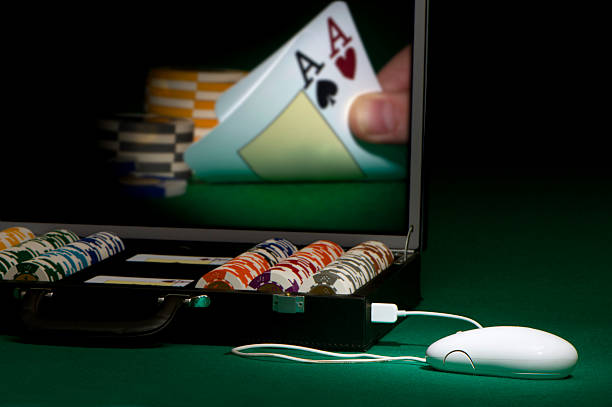
Furthermore, the unpredictability of gambling adds to its appeal. The element of chance means that outcomes are often uncertain, creating a sense of hope and anticipation. This uncertainty can lead to what psychologists call “variable reinforcement,” where players are rewarded at irregular intervals. This can make the experience even more addictive, as players keep returning for the chance of hitting that big win.
Risk-Taking Behavior
Gambling often involves a willingness to take risks, which is influenced by individual personality traits. Some individuals are naturally more inclined to seek out thrills and engage in high-stakes activities, while others may be more risk-averse. Understanding one’s own risk tolerance is crucial in shaping gambling behavior. Strategies for successful gambling can involve identifying these personal limits and sticking to them.
Moreover, societal factors can play a significant role. Environments that celebrate risk-taking, like certain social circles or cultures, can encourage individuals to gamble more aggressively. Recognizing these influences can help players reflect on their own gambling choices and develop a more mindful approach to risk.
The Role of Cognitive Biases
Cognitive biases significantly impact gambling behavior. For instance, the illusion of control is a common bias where players believe they can influence the outcome of a game through their actions or strategies, despite the inherent randomness of most games. This false sense of control can lead to overconfidence and increased gambling activity.
Another prevalent bias is the gambler’s fallacy, where individuals mistakenly believe that past outcomes affect future results in independent events. For example, a player may think that a slot machine is “due” for a payout after a long stretch of losses. Being aware of these cognitive biases can empower players to make more informed decisions and mitigate potential losses.
Emotional Factors in Gambling
Emotions play a pivotal role in gambling behavior. Players often gamble to escape from stress, anxiety, or boredom. While this may provide temporary relief, it can lead to problematic gambling if individuals rely on it as a coping mechanism. Understanding the emotional triggers that lead to gambling can help players recognize when they might be engaging in unhealthy behavior.
Furthermore, feelings of excitement and euphoria during wins can create a cycle of chasing those emotions, leading to repeated gambling even when it becomes detrimental. Players must learn to identify the difference between healthy enjoyment and compulsive behavior to maintain a balanced approach to gambling.
Discovering Online Gaming Options
For those interested in exploring the world of online gambling, platforms like Discover Online Pokies NZ offer an extensive selection of games designed to enhance the player experience. With a focus on user-friendly navigation, quick payouts, and engaging graphics, players can enjoy various pokies and other casino games from the comfort of their homes.
Safety and security are paramount in online gaming. This platform prioritizes player welfare, ensuring a secure environment for all users. By combining thrilling gameplay with responsible gaming practices, players can indulge in the excitement of online gambling while keeping their enjoyment within healthy limits.